P.TRAP
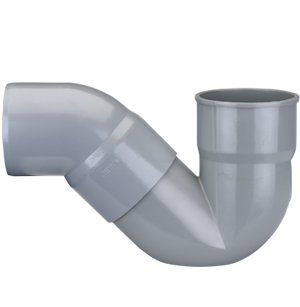
| Product Name: | P.TRAP |
| Size MM | Size Inch |
|---|---|
| 110mm x 110mm | 4" x 4" |
| 110mm x 125mm | 4" x 5" |
What Is a P-Trap?
If you take a look inside the cabinet under your kitchen sink, you should see a piece of PVC pipe with a U-shaped bend at the bottom. This is the P-trap, which gets its name from the fact that it somewhat resembles the letter P flipped on its side.
The trap has threaded fittings on both ends. On one end, it connects to the pipe extending down from the drain. On the other end, it attaches to the drain pipe that eventually feeds into your main wastewater drainage system. All of your showers, bathtubs and your washing machine also have P-traps down underneath the drain.
The P-trap underneath your sink can easily be removed simply by loosening up the fittings at each end. This comes in handy in case you accidentally drop your wedding ring or anything else down the drain. If you do drop anything down the drain, it should get stuck in the bend at the bottom of the trap instead of being washed all the way down into the drain line.
The P-trap also allows for easy access to the drain pipe in case it becomes clogged. If there is a clog inside the drain line past the trap, removing the trap makes it easier for a plumber to run a pipe snake down the line and remove the obstruction.
How Does the P-Trap Work?
The main purpose of a P-trap is to trap noxious sewer gases inside the wastewater system so that they can’t rise back up through the drain, and it is the shape of the trap that makes this possible. Running your sink obviously flushes water through the trap and down into the drain line. However, when you shut the faucet off, a small amount of water always remains inside the bend at the bottom of the P-trap. This water acts as a barrier that seals off the pipe so that the smelly sewer gases can’t escape.
The P-trap also serves another important purpose by helping to prevent your drain line from being clogged. Any food or other solid particles you wash down the drain usually stay inside the bend in the P-trap. If your sink is clogged and won’t drain, the clog is usually located inside the P-trap itself.
This is actually not a bad thing as unclogging the P-trap is generally far easier than removing an obstruction further down inside the drainage system. Either drain cleaner or a sink plunger should be able to easily clear the obstruction, whereas you will generally always need to have a plumber use a pipe snake if the clog occurs somewhere further along the drain line.
You can also simply unscrew the fittings and remove the P-trap to clean it out by hand. However, you should always put a bucket under the trap before removing it to catch any waste and water that is inside the trap or the drain line.